
September 3, 2026
Concrete Sealing in Florida: What It Means When Water Stops Beading
If water stops beading on sealed concrete, the surface may be losing protection. Learn what Florida homeowners should check before cleaning and resealing concrete.
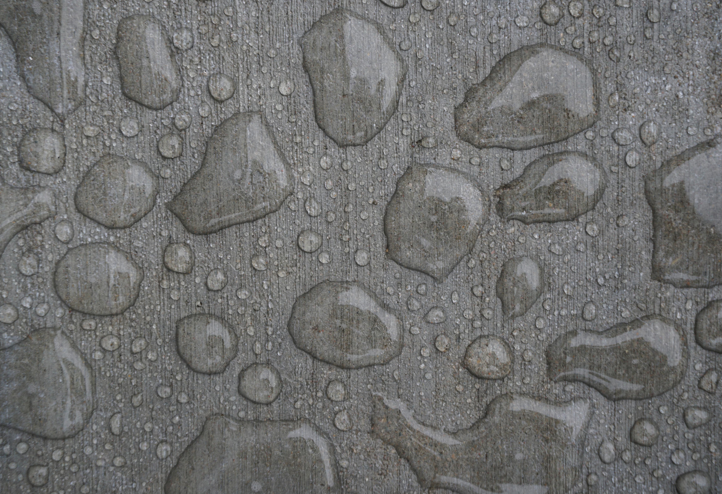
Water beading is one of the simplest visual clues homeowners look for after concrete has been sealed. When rain or rinse water sits on the surface in small beads, it usually means the coating is still helping slow absorption. When water begins soaking in quickly, darkening the slab, or spreading flat across the surface, it may be time to take a closer look.
That does not mean every concrete surface needs to be sealed immediately the moment water stops beading. Florida conditions can be hard on driveways, patios, walkways, and pool-area concrete, so the right next step is to evaluate the surface, clean it properly, and decide whether resealing makes sense based on its actual condition.
Why water beading matters on concrete
Concrete is porous. When it is unprotected or when an older sealer has worn down, water can soak into the surface more easily. That moisture can carry soil, leaf tannins, irrigation minerals, and other contaminants into the pores, which can make the concrete harder to keep clean over time.
Beading is not the only thing to check, but it is a useful warning sign. If the same area used to bead water and now absorbs it quickly, the surface may no longer have the same level of protection it once had.
Florida weather wears on sealed concrete
Concrete around Florida homes sees frequent rain, strong sun, humidity, irrigation overspray, tracked-in soil, and organic debris from landscaping. Driveways also handle tire traffic and runoff. Patios and walkways may stay damp longer if they sit near shaded walls, plants, roof drip lines, or pool areas.
Those conditions can gradually reduce the visible performance of a sealer. The change may be obvious in one area and less obvious in another, which is why homeowners should compare shaded areas, open sun areas, and places where water naturally collects.
What to check before resealing concrete
Before resealing concrete, check whether the surface is simply dirty, whether water is soaking in evenly, whether there are darker moisture patches, and whether any old coating is peeling, cloudy, or uneven. Cleaning can reveal whether the surface is ready for sealer or whether another issue needs to be handled first.
It also helps to notice where the water comes from. If sprinklers regularly hit the concrete, or if roof runoff drains across it, the surface may need more than a basic rinse before resealing. True Seal Paver Sealing covers this related issue in its guide to how irrigation overspray affects pavers in Florida, and the same observation can be useful around concrete surfaces.
Do not judge concrete while it is still wet
Wet concrete can make stains, color variation, and absorption look different than they do when the surface is dry. A slab that appears evenly dark while wet may dry with visible patches. A surface that looks clean from a distance may still hold residue that affects how sealer performs.
That is why timing matters. A proper evaluation should consider whether the concrete is dry enough, whether recent rain or irrigation has affected the surface, and whether the weather window supports cleaning and sealing without rushing the process.
Concrete sealing is different from paver sealing
Concrete and brick pavers can both benefit from surface protection, but they are not the same material. Pavers have joints, edges, sand movement, and individual units. Concrete is a continuous surface with its own porosity, texture, finish, and wear patterns. The prep and expectations should match the material.
If you also have brick pavers nearby, it is worth checking those separately for joint sand loss, old sealer, weeds, and uneven color. True Seal has a homeowner guide on why faded pavers can look blotchy after sealing that explains why prep matters before resealing paver surfaces.
When to request a concrete sealing estimate
If water no longer beads, the concrete darkens quickly when wet, or the surface is getting harder to keep clean, it is reasonable to request an estimate before the surface gets worse. Homeowners in Spring Hill, Brooksville, Weeki Wachee, Hernando County, and nearby Tampa Bay areas should pay special attention to shaded concrete, sprinkler exposure, and high-traffic driveway sections.
For a surface-specific recommendation, request a free estimate from True Seal Paver Sealing. The best plan starts with looking at the actual concrete, identifying what needs to be cleaned or corrected, and choosing timing that fits Florida weather conditions.
For more project help, compare True Seal paver sealing, paver stripping, travertine sealing, and concrete sealing.