
Joint stability and weed reduction
Paver sanding that helps lock the surface back together.
Joint sand supports the paver field, reduces weed growth, and helps the surface shed water correctly. When sand washes out or breaks down, the surface can look neglected even after cleaning.
What is included
Everything your surface needs before it is sealed.
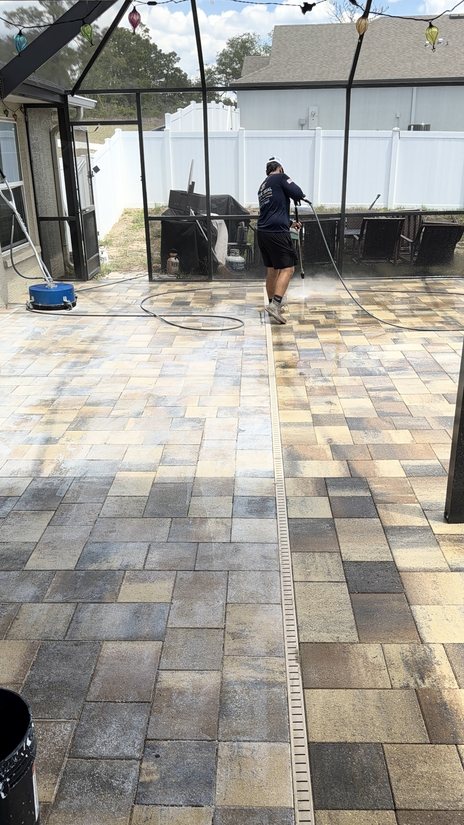
Joint condition review
Edit this card in WordPress to describe exactly what homeowners should expect from this part of the service.
Cleaning before sand placement
Edit this card in WordPress to describe exactly what homeowners should expect from this part of the service.
Sand installation appropriate to the surface
Edit this card in WordPress to describe exactly what homeowners should expect from this part of the service.
Compaction and cleanup
Edit this card in WordPress to describe exactly what homeowners should expect from this part of the service.
Real results
See the True Seal difference.
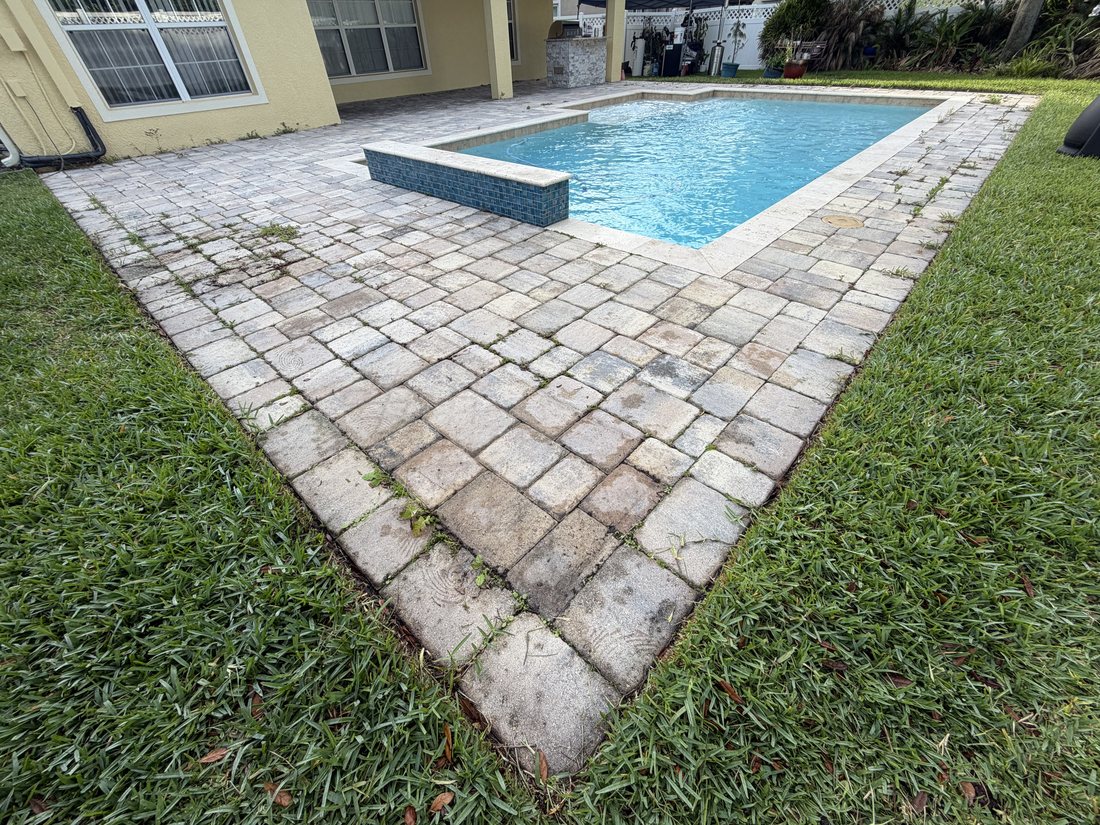
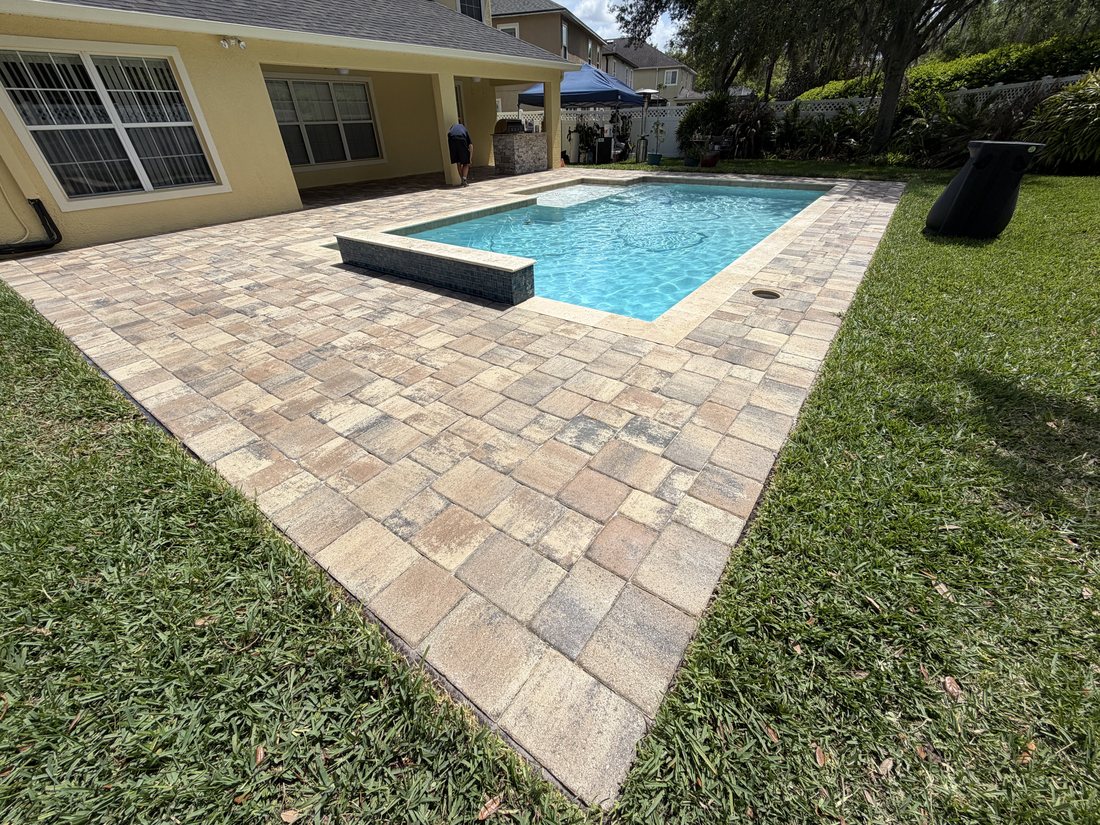
The goal is not just a wet-looking coating. It is clean prep, better joint presentation, and a surface recommendation that matches the condition of your pavers.
Our process
Our 5-step paver protection process.
Bio organic wash
A bio organic wash helps loosen mildew, organic buildup, and surface growth before deeper cleaning begins.
Deep surface cleaning
High-flow cleaning with 16 gallons per minute helps flush joints, lift buildup, and prepare the surface properly.
Stain removal
Targeted stain treatment is performed where needed so the finished surface looks cleaner and more consistent.
Joint sanding
Fresh joint sand is installed as needed, with optional colored sand available for a more customized finish.
Professional sealer
We apply 2-3 coats of professional sealer for color enhancement, protection, and long-lasting curb appeal.
FAQ
Common paver sanding questions.
Do pavers need sanding before sealing?
Often they do. Low or missing joint sand should usually be corrected before sealing.
Will sanding stop all weeds forever?
No exterior service can promise that, but proper cleaning, sanding, and sealing can reduce the conditions weeds exploit.
Can sanding be done without sealing?
Yes. Some surfaces need sanding only, while others benefit from sanding plus sealing after the prep is complete.
Ready to protect your pavers?
Get your free estimate today.
Send your details and True Seal will follow up with the right next step for your surface.