Skip to content
Request free estimate

Paver restoration service

Paver restoration for tired, uneven, stained hardscapes.

Restoration is for paver surfaces that need more than a quick clean. True Seal reviews the surface, corrects visible issues where possible, refreshes joint sand, and prepares the area for lasting protection.

Condition-first assessment Cleaning and sanding review Honest restoration expectations
Deep cleaning
Stain review
Joint sanding
Sealing guidance

Paver restoration in Florida

When pavers are faded, stained, loose, or overgrown, sealing alone may not be enough.

Florida pavers can decline from sun exposure, rain, irrigation, mildew, weeds, stains, ant activity, joint sand loss, and old coating problems. Restoration helps organize those issues into the right recovery path instead of guessing at one quick fix.

Older or neglected hardscapes often need cleaning, correction, sanding, and finish planning before the surface can look right again.

Local service areas

Paver restoration in Spring Hill and Tampa Bay

Paver restoration is for Florida hardscapes that need more than a simple wash. True Seal helps homeowners in Spring Hill, Brooksville, Hudson, Trinity, Wesley Chapel, Homosassa, Inverness, The Villages, and nearby areas restore tired driveways, patios, pool decks, and walkways with cleaning, correction, sanding, and sealing guidance.

Where this service fits best

Paver restoration is reviewed around the actual surface condition, service history, drainage, sun exposure, irrigation, staining, and how the area is used.

Best for

Paver restoration is best for worn or neglected surfaces

  • Older driveways, patios, walkways, and pool decks with heavy wear
  • Pavers with fading, mildew, weeds, stains, or joint sand loss
  • Surfaces that need cleaning, sanding, and sealing as one plan
  • Homeowners trying to improve curb appeal before bigger damage sets in
  • Projects where paver sealing alone would not address enough of the problem

Warning signs

Restoration may need a bigger scope when you see

  • Deep oil, rust, irrigation, leaf, or organic stains
  • Washed-out joints, weeds, ant activity, or edge movement
  • Failed old sealer, white haze, peeling, or uneven coating
  • Sun-faded color with dirty joints and heavy surface buildup
  • Drainage, settlement, or damaged pavers that may require separate repairs

What's included

What is included in a paver restoration plan.

Restoration brings the important decisions together: cleaning, stains, joint sand, old coating history, sealing eligibility, and long-term care.

Condition assessment for paver restoration

Condition assessment

The surface is reviewed for stains, faded color, weeds, sand loss, old sealer, drainage, and surface movement.

Learn more
Deep cleaning and prep for paver restoration

Deep cleaning and prep

Dirt, mildew, organic buildup, and surface residue are addressed before the restoration path continues.

Learn more
Stain improvement where possible for paver restoration

Stain improvement where possible

Oil, rust, irrigation, leaf, and organic stains are reviewed and treated where appropriate.

Learn more
Joint sand restoration for paver restoration

Joint sand restoration

Low or washed-out joints are addressed when the project needs stability and a finished look.

Learn more
Sealing recommendation for paver restoration

Sealing recommendation

If the surface is eligible, a sealing plan is recommended after prep and correction.

Learn more
Maintenance guidance for paver restoration

Maintenance guidance

Homeowners get care expectations so the restored surface is easier to maintain.

Learn more

Real results

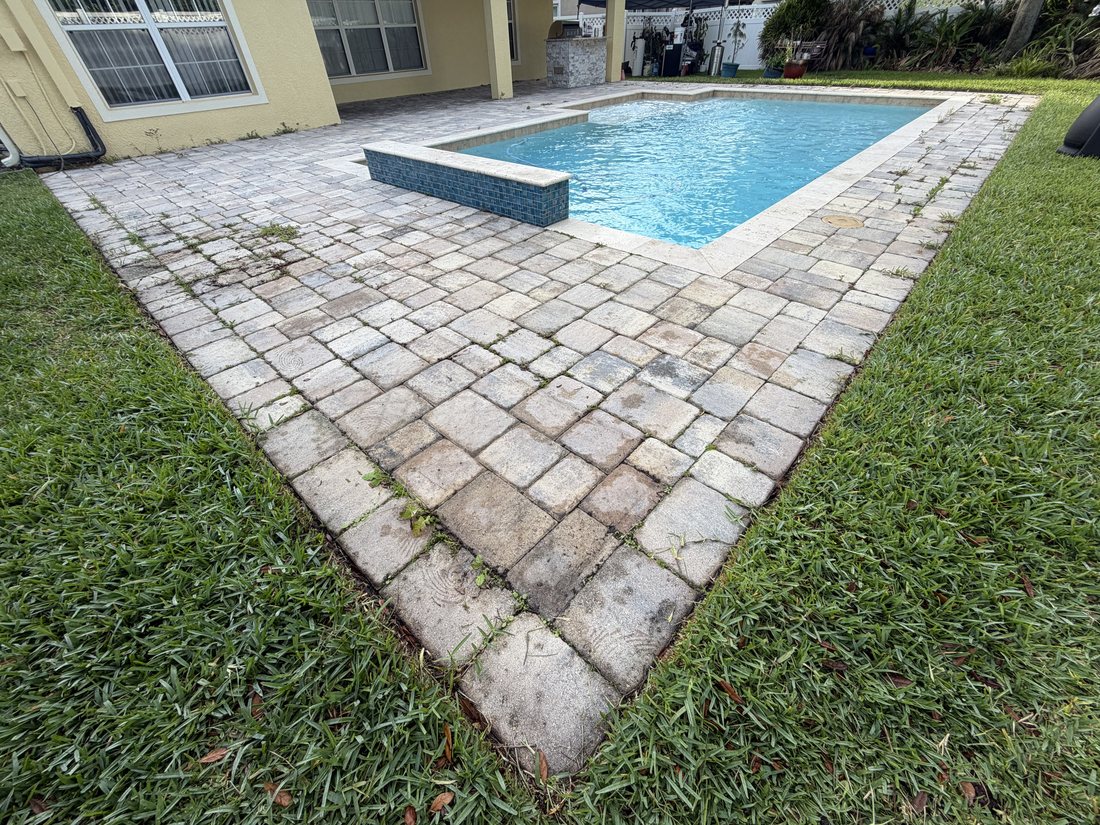
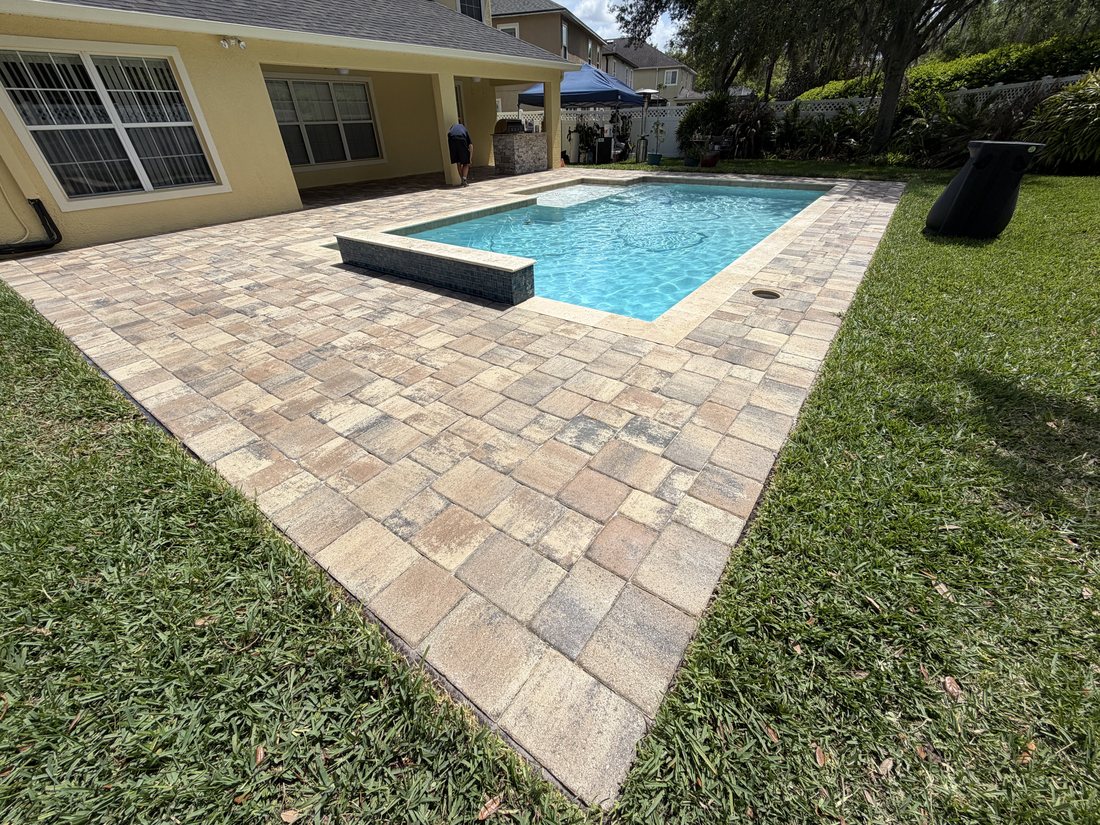
See what paver restoration changes.

Restoration gives the surface a more complete prep path when fading, weeds, stains, sand loss, and failed coating issues overlap.

View before and after
BeforePaver restoration project before True Seal service
AfterPaver restoration project after True Seal service

Our process

A complete recovery path for worn paver surfaces.

1

Map the surface condition

Identify fading, staining, weeds, sand loss, failed sealer, drainage concerns, and possible paver damage.

2

Deep clean and prepare

Remove buildup and prep the surface so stains, joints, and old coating issues are easier to evaluate.

3

Treat visible problem areas

Stains and surface concerns are addressed where possible with realistic expectations.

4

Restore joint sand

Joint sand is replenished as needed to improve appearance and support the paver field.

5

Seal if eligible

When the surface is ready, the appropriate sealer path is recommended for protection and curb appeal.

Benefits

Why choose paver restoration?

The surface is mapped first

True Seal reviews staining, weeds, sand loss, coating history, drainage, and surface wear before scoping the work.

Prep steps work together

Cleaning, sanding, stain review, and sealing guidance are treated as connected decisions.

Expectations stay realistic

Restoration can improve a surface dramatically, but deep stains, damaged pavers, or drainage problems are discussed honestly.

Built for Florida exposure

The recommendation accounts for sun, rain, irrigation, mildew, organic debris, and everyday traffic.

True Seal vs. quick sealing

What matters when you are protecting driveway pavers.

Cheap sealing can look appealing at first, but prep, product compatibility, sanding, and communication decide how the surface actually performs.

What matters True Seal Cheap or rushed sealing
Initial review Separates staining, sand loss, failed sealer, and damage before quoting. ×May quote cleaning or sealing without understanding the full surface.
Cleaning depth Deep prep is part of the restoration path. ×May only rinse the visible surface.
Joint sand Low joints and washout are reviewed as part of the result. ×Joints may be ignored until the surface looks unfinished.
Sealing decision Sealer is recommended when the pavers are eligible and ready. ×May seal before correcting underlying issues.
Expectations Explains what can improve and what may need separate repair. ×May overpromise on deep stains or damaged pavers.

FAQ

Common questions

What is the difference between sealing and restoration?

Sealing protects a prepared surface. Restoration is the broader prep and recovery path when the pavers also need cleaning, sanding, correction, or failed-coating review.

Can restoration remove all stains?

Many stains can be improved, but some deep or long-term stains may remain. The assessment sets expectations before work begins.

Do restored pavers need maintenance?

Yes. Florida sun, rain, irrigation, and traffic all affect long-term appearance, so maintenance guidance matters.

Does paver restoration include sanding?

It can. If joints are low, washed out, or full of weeds, joint sanding may be part of the restoration plan.

Can failed sealer be part of restoration?

Yes. If old sealer is cloudy, peeling, sticky, or incompatible, paver stripping may be recommended before resealing.

What areas does True Seal restore?

True Seal reviews driveways, patios, pool decks, walkways, entries, and other residential paver areas in Spring Hill, Tampa Bay, and surrounding communities.

Ready to protect your surface?

Start your instant quote today.

Use the estimate wizard to tell True Seal what you are seeing and get routed to the right service path.

Paver restoration estimate

Get pricing guidance from the full quote tool.

Answer project size, surface condition, package, add-ons, photos, and contact details in one focused place.

Start Your Instant Quote

Compare services

Need a different surface service? Start here.

Use these quick links to compare the primary services True Seal offers.

Call now Free estimate