
September 24, 2026
Wet-Look vs Natural-Look Paver Sealer in Hernando County
Compare wet-look and natural-look paver sealer considerations, including existing coatings, color, texture, traction, maintenance, and Florida weather.
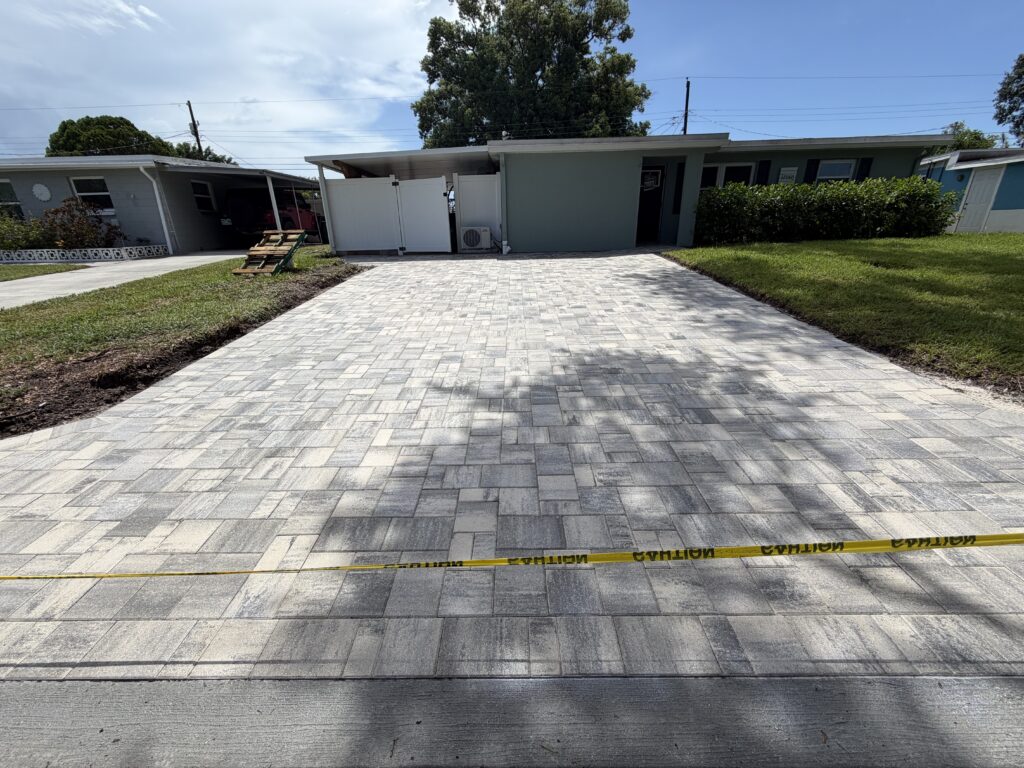
Choosing a paver sealer is not only about protection. Homeowners also have to decide how they want the driveway, patio, walkway, or pool deck to look after the surface is cleaned and sealed. Two common appearance goals are a richer wet-look finish and a more natural-looking finish.
For homeowners in Hernando County, the decision should account for more than a photo or color sample. Existing coatings, paver color, texture, traffic, shade, irrigation, drainage, and Florida weather can all influence the finished appearance and maintenance needs.
What does “wet look” mean for pavers?
A wet-look finish generally refers to an appearance that deepens or enriches the existing paver colors, similar to how some surfaces look when damp. Depending on the product and surface, the sheen can range from subtle to more noticeable.
Wet look does not mean the pavers should remain physically wet, and it does not guarantee that every faded or stained area will become uniform. The base color, porosity, previous sealer, and surface preparation still affect the result.
What does “natural look” mean?
A natural-look goal typically aims to keep the pavers closer to their dry, uncoated appearance. Some homeowners prefer this when they want less visible sheen or do not want the existing colors significantly deepened.
Natural look is also not the same as “invisible.” Any applied system may interact with the surface, and the final appearance can vary across repaired, worn, shaded, or previously sealed areas.
Start with the pavers you already have
The best finish choice begins with the actual paver color and texture. Red, tan, gray, charcoal, and blended pavers respond differently when their colors are deepened. Smooth and heavily textured surfaces also reflect light differently.
Clean a representative area before making the final appearance decision. Dirt, mildew, irrigation deposits, leaf stains, and old coating can hide the true base color. Choosing from an uncleaned surface can create expectations that do not match the prepared pavers.
Existing sealer can limit the options
If the pavers have been sealed before, the remaining coating needs to be identified and evaluated. Uneven gloss, cloudy patches, peeling, buildup, or sections that absorb water differently can indicate that the old sealer is no longer uniform.
A new appearance layer should not be selected without considering compatibility and adhesion. If the existing coating is failing, corrective preparation may be needed before either a wet-look or natural-look result can be discussed realistically.
Wet look can make variation more visible
Deepening the color may highlight differences between original and replacement pavers, repairs, tire paths, stains, and sections with different porosity. Some homeowners like the stronger color contrast; others may prefer a quieter appearance.
This is one reason a small test area is useful. It can show how the actual pavers respond after preparation and whether the richer appearance emphasizes features that were less visible when the surface was dry.
Natural look does not hide surface problems
A lower-sheen or natural-looking goal does not remove the need for cleaning and correction. Stains, failed coatings, low joint sand, drainage marks, and mismatched repairs can remain visible regardless of the finish direction.
The surface should be made as sound and consistent as practical before sealing. Finish choice comes after the contractor understands the existing condition, not before.
Consider traction and how the area is used
Driveways, sloped walkways, steps, pool decks, and frequently wet areas should be evaluated for normal use and traction. Appearance should not be chosen separately from function.
Tell the contractor where vehicles turn, where people walk when the surface is wet, and where sprinklers or pool water commonly reach the pavers. The texture and location of the surface help determine what considerations matter for the project.
Think about sunlight, shade, and viewing angle
Sheen can look different in direct sun, shade, porch lighting, and headlights. A finish that appears subtle from one angle may look more reflective from another. Large open driveways can also show application or wear differences more easily than small walkways.
Review a test area at more than one time of day when practical. The goal is not to predict every lighting condition but to avoid making the decision from a single close-up photo.
Florida weather affects preparation and timing
Hernando County properties experience humidity, intense sun, sudden rain, and irrigation exposure. The pavers and joints need appropriate drying conditions before sealing, and the finished surface must remain protected from water and traffic for the time specified for the project.
Shaded areas, low spots, and borders near landscaping may dry more slowly than the center of a sunny driveway. A consistent appearance depends on treating those differences as part of the preparation and scheduling.
Maintenance matters with either appearance
Neither wet-look nor natural-look sealing makes pavers maintenance-free. Leaves, vehicle residue, irrigation deposits, mildew, and dirt can still collect on the surface. Prompt debris removal and appropriate cleaning help keep buildup from changing the appearance.
Wear may be more noticeable in tire paths, drainage routes, and high-traffic areas. A homeowner should understand how to clean the completed surface and what signs should prompt an inspection before adding another coat.
Questions to ask before choosing a finish
- What does the cleaned, prepared paver color look like?
- Is old sealer still present, and is it compatible and stable?
- Will a richer finish emphasize repairs, stains, or replacement pavers?
- How will the finish look in sun, shade, and evening light?
- Are traction and wet-use areas part of the evaluation?
- What drying and curing conditions are needed?
- How should the surface be maintained after sealing?
- Can a representative test area be reviewed first?
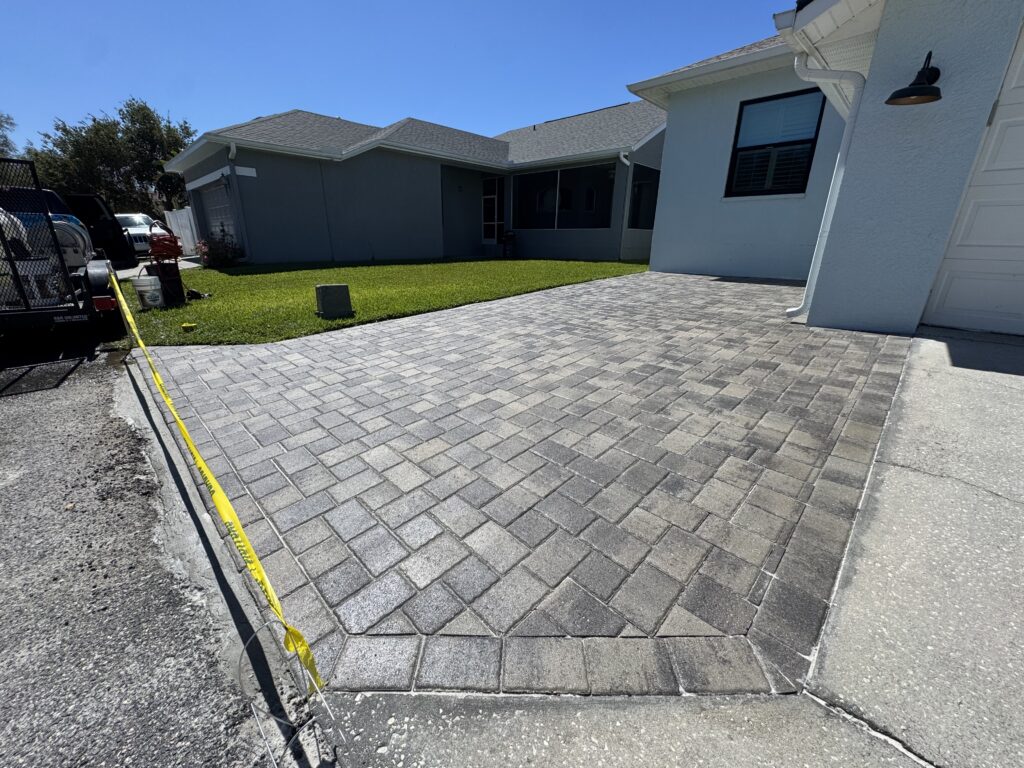
Use photos as references, not promises
Project photos are useful for discussing preferences, but two paver surfaces rarely have identical color, age, porosity, texture, repairs, lighting, and previous treatments. The finished result should be based on the property being evaluated.
A clear conversation about appearance, preparation, and limitations is more useful than choosing only by a finish label. “Wet look” and “natural look” are starting points for that conversation, not complete specifications by themselves.
Choosing a paver finish in Hernando County?
True Seal Paver Sealing can inspect the pavers, old coatings, joints, moisture conditions, and desired appearance before recommending a sealing approach. For guidance based on your driveway, patio, walkway, or pool deck, request a free estimate from True Seal Paver Sealing.
For more project help, compare True Seal paver sealing, paver stripping, travertine sealing, and concrete sealing.