
September 18, 2026
How to Prepare Your Driveway and Landscaping for Paver Sealing in Florida
A practical homeowner checklist for preparing vehicles, irrigation, plants, furniture, drainage, and access before paver cleaning and sealing in Florida.
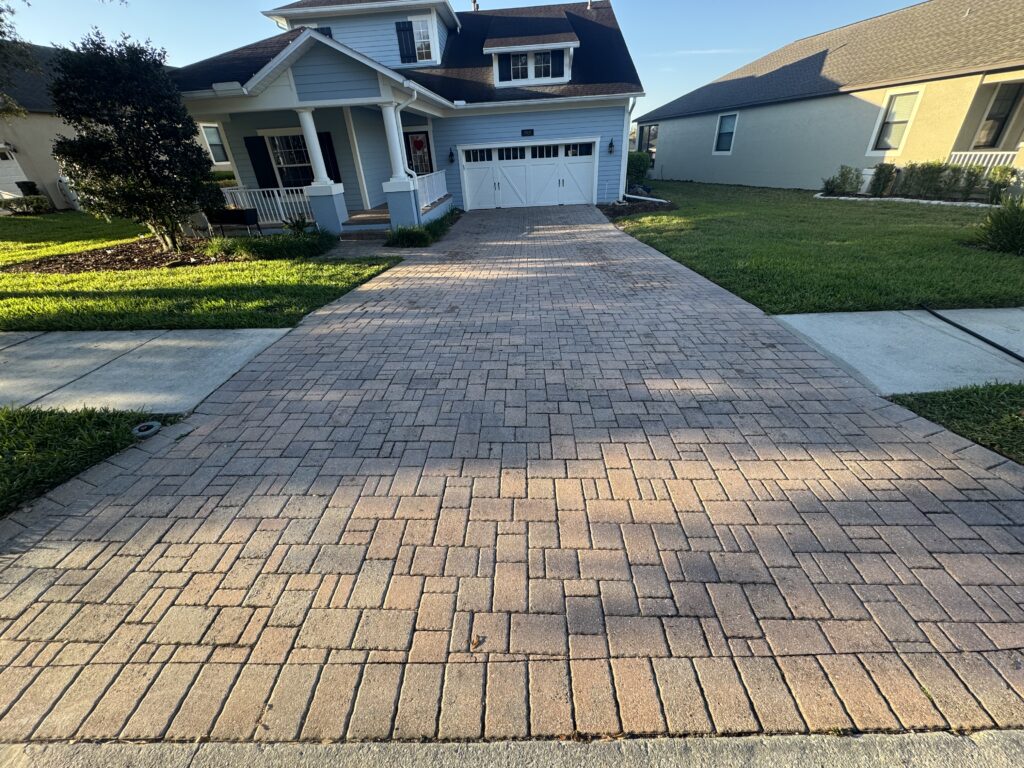
Good paver sealing starts before the cleaning equipment arrives. A little preparation around the driveway, patio, or walkway can give the crew clear access, reduce interruptions, and help the surface move through cleaning, drying, sanding, and sealing in the right order.
For homeowners in Spring Hill, Hernando County, and other parts of Florida, preparation also means thinking about irrigation, humidity, afternoon rain, landscaping, and everyday traffic. The goal is not to make the homeowner do the contractor’s work. It is to remove avoidable obstacles so the pavers and surrounding areas can be evaluated and treated properly.
Move vehicles before work begins
Vehicles should be moved off the driveway and away from the immediate work area before the scheduled arrival. This gives the crew access to the full surface, including the apron, edges, and areas near the garage.
Think ahead about where vehicles will stay while the surface is being cleaned and sealed. A freshly treated driveway may need to remain free of vehicle traffic while the material cures. The exact timing depends on the surface, weather, and products used, so follow the instructions provided for your project instead of assuming the driveway is ready because it looks dry.
Clear furniture, planters, toys, and decorations
Remove movable items from the paver area, including patio furniture, grills, hoses, trash cans, sports equipment, toys, doormats, and decorative planters. Small objects can slow cleaning and leave sections of the surface inaccessible.
Move these items far enough away that overspray or runoff will not reach them. Heavy objects that cannot be moved should be identified before work starts so the crew can decide how to handle the surrounding area safely.
Review irrigation timing
Sprinklers can re-wet pavers after cleaning or during the drying and curing stages. Check the irrigation schedule before the appointment and be ready to pause nearby zones when directed. Pay attention to spray heads that reach the driveway, walkway, pool deck, or patio.
Also look for ongoing water sources such as a leaking hose connection, air-conditioner drainage, downspouts, or runoff from a neighboring area. These conditions do not automatically prevent service, but they should be discussed before sealing because moisture can affect preparation and timing.
Trim back plants that cover paver edges
Overgrown grass, groundcover, shrubs, and palm fronds can hide the outside edge of a paver surface. When practical, trim vegetation back enough to expose the border. Clear edges make it easier to inspect the pavers, clean buildup, and work around the perimeter.
Avoid major landscaping changes immediately before the appointment if they will create loose soil or heavy debris on the pavers. Fresh mulch, lawn clippings, and disturbed dirt can be carried back onto a cleaned surface by wind or foot traffic.
Check drainage and low areas
Before the appointment, notice where water normally collects after irrigation or rain. Point out low spots, slow-draining sections, and areas that stay damp longer than the rest of the surface. This information helps the crew evaluate drying conditions and plan the work around the actual property.
Sealer is not a substitute for correcting drainage problems. If water regularly ponds because of grading, downspout placement, or another site condition, that issue may need separate attention. Identifying it early helps set realistic expectations for maintenance and scheduling.
Keep pets and foot traffic away from the work zone
Plan for pets to use another entrance or yard area while cleaning and sealing are underway. Gates should remain accessible when they are part of the route to the work area, but pets should be secured away from open gates, equipment, hoses, and wet surfaces.
Let family members, visitors, delivery drivers, and service providers know that the pavers may be temporarily unavailable. Limiting traffic protects the work area and keeps people from tracking moisture, sand, grass, or dirt across prepared pavers.
Do not add chemicals or pressure-wash at the last minute
Homeowners sometimes try to help by pressure-washing, applying weed killer, or using a household cleaner just before the appointment. That can make the surface condition harder to evaluate and may leave moisture or residue behind.
Unless the contractor has specifically asked you to perform a step, leave the cleaning and surface preparation to the crew. Instead, mention stains, rust marks, organic growth, previous coatings, or areas of concern during the estimate or pre-work conversation.
Share what you know about previous sealer
If the pavers have been sealed before, tell the contractor what you know about the previous work. Useful details include approximately when it was done, whether the appearance changed over time, and whether you have noticed peeling, whitening, trapped moisture, or uneven gloss.
You do not need to identify the old product yourself. The point is to provide history that may help with the inspection. Existing coatings and failed sealer can change the preparation required, and a surface should not be treated as if it were bare when an older coating is still present.
Watch the forecast, but expect a professional weather decision
Florida weather can change quickly. Homeowners can help by keeping the appointment window flexible and making sure the property is accessible, but the final decision about cleaning, drying, and sealing conditions should be based on the surface and the actual forecast near the job time.
A brief dry-looking period is not always the same as a suitable application window. Humidity, recent rain, irrigation, shade, and the chance of new rain can all affect the plan.
A simple pre-service checklist
- Move vehicles and plan alternate parking.
- Remove furniture, planters, toys, hoses, and decorations.
- Review sprinkler schedules and nearby water sources.
- Trim vegetation away from paver edges when practical.
- Point out drainage issues and areas that stay damp.
- Secure pets and redirect foot traffic.
- Share any history of previous sealer or problem areas.
- Keep the work area free of fresh lawn debris, mulch, or soil.
Planning a paver sealing project in the True Seal service area?
True Seal Paver Sealing can inspect the surface and explain what preparation makes sense for your driveway, patio, walkway, or pool deck. For a project-specific recommendation, request a free estimate from True Seal Paver Sealing.
For more project help, compare True Seal paver sealing, paver stripping, travertine sealing, and concrete sealing.