
August 23, 2026
Why Joint Sand Washes Out of Pavers After Florida Rain
Learn why joint sand washes out of paver joints after Florida rain, what warning signs to watch for, and when a cleaning, sanding, and sealing inspection makes sense.
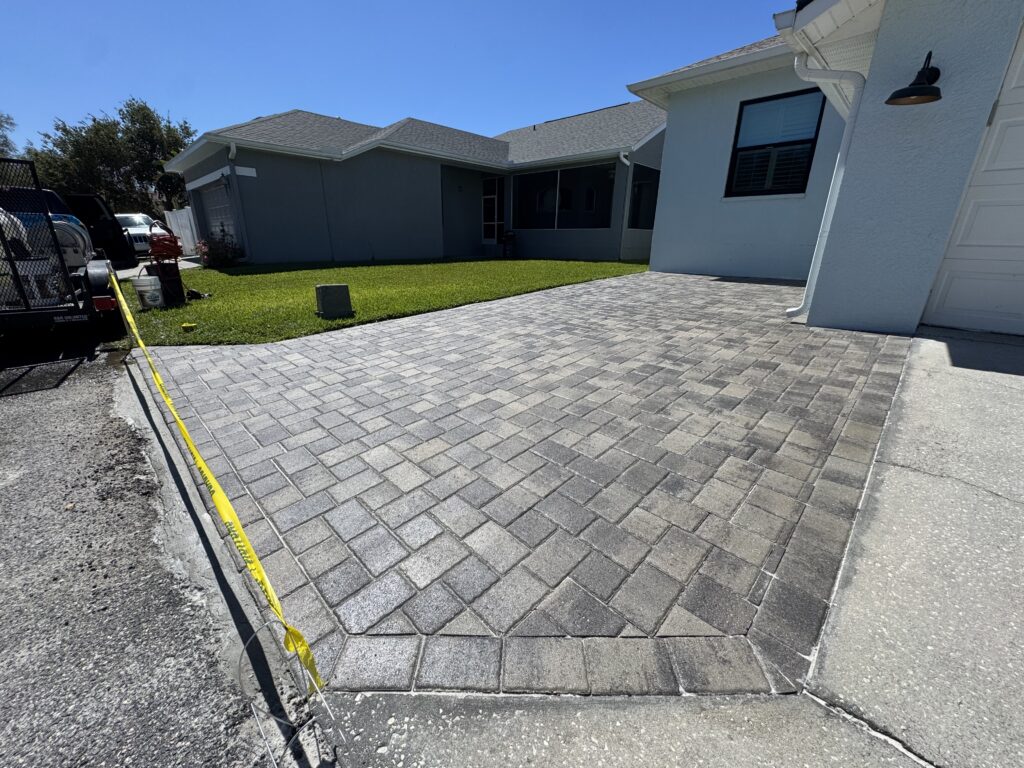
Heavy Florida rain can expose weak spots in a paver surface quickly. One common sign is joint sand washing out from between the pavers after storms, irrigation, roof runoff, or repeated cleaning.
Joint sand is not just cosmetic. It helps stabilize the surface, limits movement between pavers, and supports a cleaner finished look. When that sand starts disappearing, the surface may become easier for weeds, ants, mildew, and shifting to take hold.
Why Joint Sand Washes Out
Sand loss usually happens for a combination of reasons. Florida weather adds a lot of stress because outdoor hardscapes deal with heavy rain, heat, humidity, irrigation, and frequent wet-dry cycles.
Heavy Rain and Poor Drainage
Fast-moving water can pull loose sand out of the joints, especially where runoff crosses a driveway, patio, walkway, or pool deck. If water repeatedly travels through the same area, those joints often open up faster than the rest of the surface.
Irrigation Overspray
Sprinklers can slowly wash sand from the same joints day after day. This is common near edges, curves, walkways, and driveway borders where heads are aimed too far onto the pavers.
Old or Worn Sealer
Sealer does not make a paver surface maintenance-free, but a properly prepared and sealed surface can help protect the finish and support the joint system. When old sealer wears down, the surface may lose some of that protection.
Aggressive Cleaning
Pressure washing without the right approach can remove more joint sand than intended. That is why cleaning, sanding, and sealing should be treated as one connected process instead of separate shortcuts.
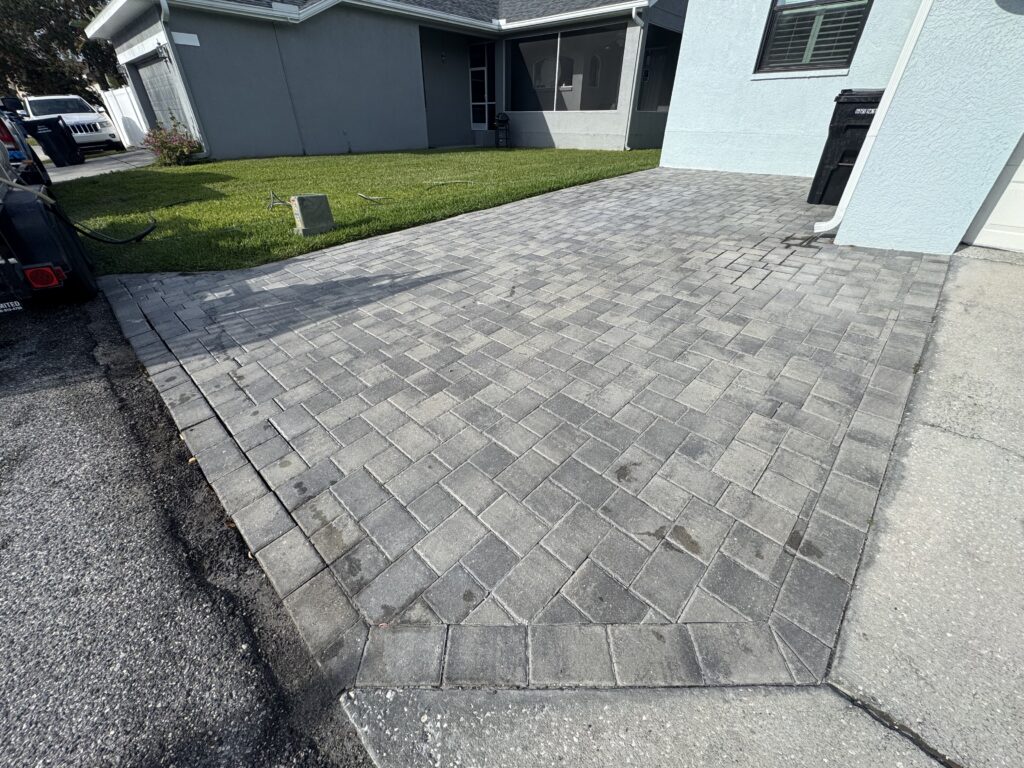
Warning Signs Homeowners Should Watch For
Sand washout is easier to correct when it is caught early. You may want to have the surface inspected if you notice:
- Open gaps between pavers
- Loose sand collecting at the bottom of the driveway or patio
- Weeds, ant activity, or mildew growing in the joints
- Pavers beginning to shift, rock, or look uneven
- Edges losing their clean shape
- Water traveling across the same section after every storm
Does Sand Loss Mean the Pavers Need Sealing?
Not always. The right recommendation depends on the surface condition, existing sealer, drainage, stains, and how much sand has been lost. Some paver areas may need cleaning and fresh joint sand before sealing. Others may need old sealer corrected first so the new finish can bond properly.
Sealing over dirt, moisture problems, or failed coating can create a worse result. A good inspection should identify whether the surface is ready for cleaning, sanding, and sealing or whether other prep is needed first.
How True Seal Approaches Paver Sand and Sealing
True Seal Paver Sealing works with homeowners in Spring Hill and the greater Tampa Bay area on paver sealing, paver stripping, travertine sealing, concrete sealing, and related surface preparation. The goal is to match the process to the surface instead of treating every driveway or patio the same way.
If joint sand is washing out, the useful next step is a practical surface review: where the water is moving, how open the joints are, whether the old sealer is still performing, and whether the area needs cleaning, sanding, sealing, or failed-sealer correction.
Request a Paver Sealing Inspection
If your paver joints are opening up after Florida rain, True Seal Paver Sealing can help evaluate the surface and recommend the right next step.
Request a free quote online or call (352) 777-8837 to discuss your paver sealing project.
For more project help, compare True Seal paver sealing, paver stripping, travertine sealing, and concrete sealing.