Failed sealer correction
Paver Stripping and Resealing
Failed paver sealer repair for cloudy, peeling, whitening, blotchy, or uneven coatings that need correction before a clean reseal.
Why it matters
When old sealer fails, more sealer is not the answer.
White haze, trapped moisture, dark patches, peeling, or uneven shine usually means the old coating needs correction before resealing. Adding a new coat over a failed coating can lock in the problem, create more blotching, and make the next repair more expensive.
Correct failure
Address cloudy, peeling, whitening, or incompatible sealer.
Uniform appearance
Remove blotchy finishes before applying a new coat.
Better adhesion
Give the new coating a cleaner surface to bond to.
Honest evaluation
Know when stripping is needed and when it is not.
What is included
More than a quick rinse and coat.
Every surface is different. These are the details homeowners usually care about before choosing a sealing company.
Failure diagnosis
We look for whitening, peeling, trapped moisture, over-application, incompatible products, and coating buildup.
Removal plan
The stripping approach is matched to the surface, prior product, and severity of failure.
Surface cleanup
After removal, the pavers are cleaned and prepared so the new finish has a better chance to bond evenly.
Reseal recommendation
We explain realistic expectations before resealing, especially when older pavers or deep stains are involved.
When to call
Signs your surface is ready for professional attention.
If you are seeing these issues, a proper evaluation can prevent the wrong product or process from making the surface harder to fix later.
White haze or cloudiness
This often points to trapped moisture, over-application, or a failed film-forming sealer.
Peeling or flaking
If the coating is lifting, the next coat will not fix the bond problem.
Dark blotches
Uneven sealer buildup or contamination can create areas that look heavy, dark, or patchy.
Sticky or uneven sheen
A surface that never cured correctly may need correction before it can be resealed.
See the difference
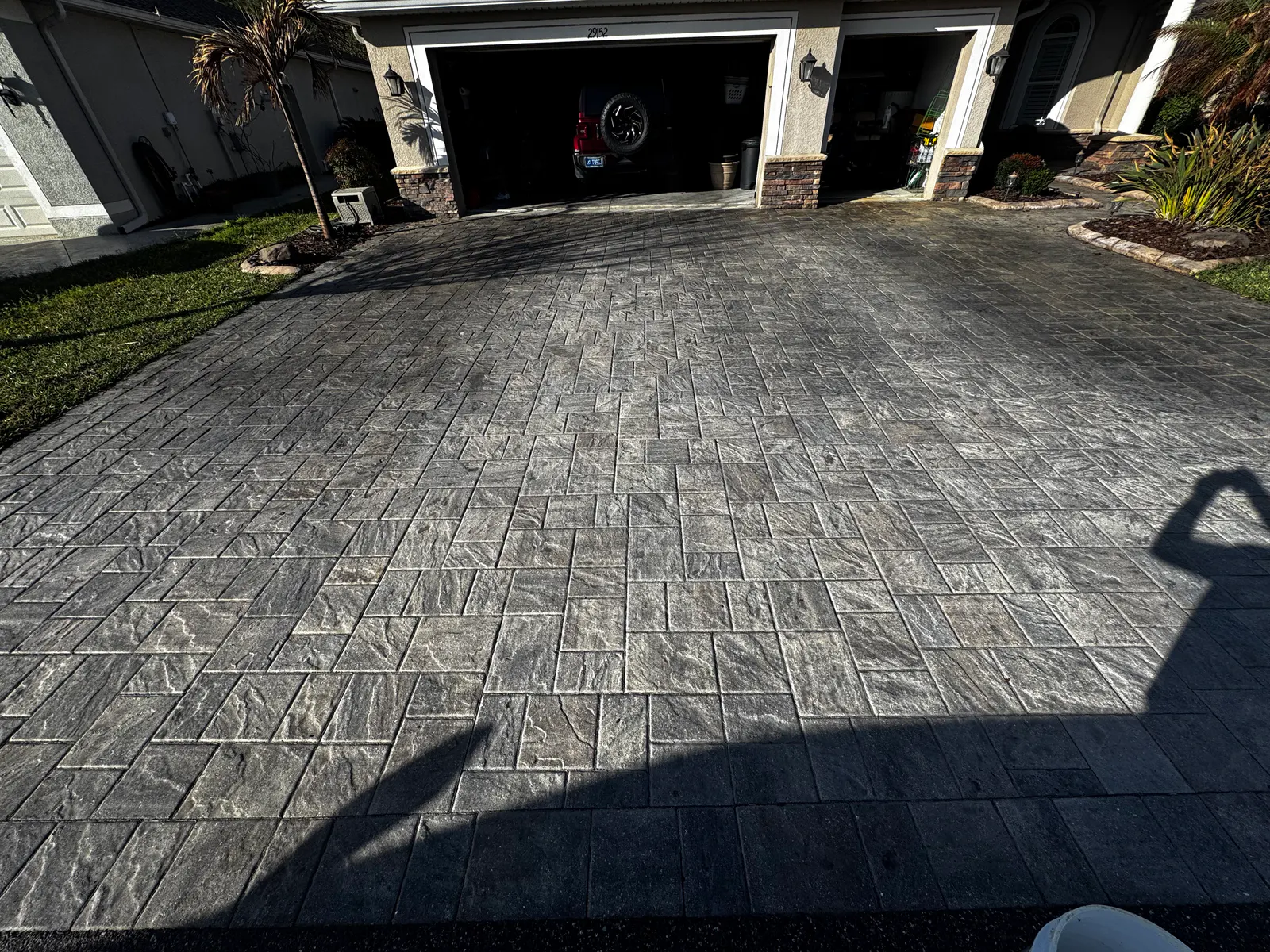
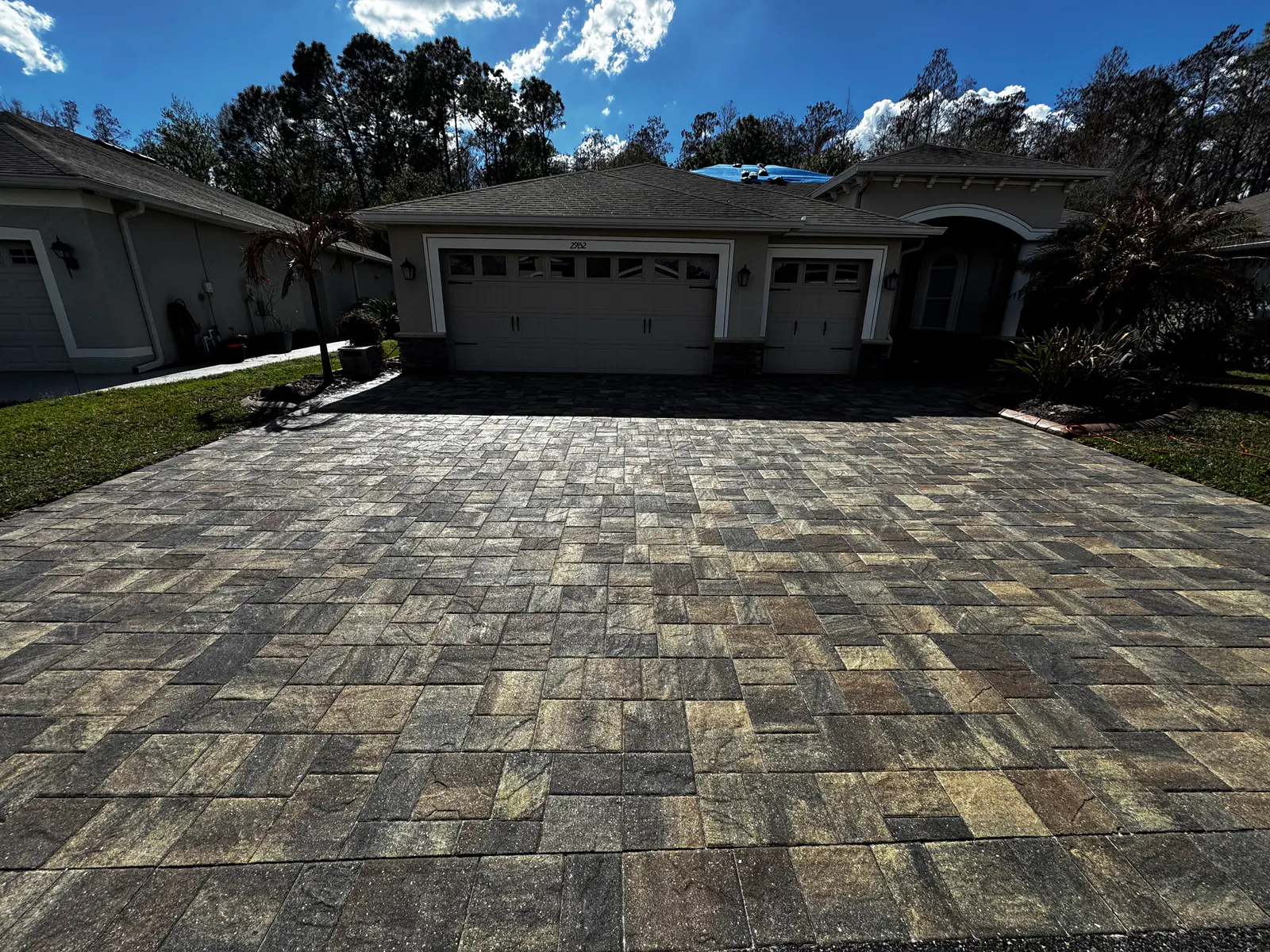
Preparation changes the finished result.
Replace either image directly in the editor with your own project photography.
How True Seal handles it
A clear process, no guessing.
1
Diagnose
Identify the old sealer issue.
2
Strip
Remove failed coating with a surface-appropriate process.
3
Clean
Neutralize and prepare the surface.
4
Reseal
Apply a fresh coating for a cleaner finish.
Questions homeowners ask
Good answers before you book.
How do I know if stripping is needed?
White haze, peeling, trapped moisture, dark blotches, tackiness, and uneven coating are common signs. A site review is the safest way to confirm.
Can you seal over bad sealer?
Usually that creates a worse problem. Failed coating often needs removal first so the new sealer is not bonding to a weak layer.
How long does stripping take?
Many projects take one to two days depending on size, weather, coating thickness, product type, and how stubborn the old sealer is.
Will stripping make it perfect?
Results depend on paver age, staining, prior products, and surface condition. The goal is a cleaner, more stable surface for resealing.
Where we work
Paver Stripping and Resealing for Spring Hill and nearby Florida communities.
True Seal reviews projects in Spring Hill, Brooksville, Timber Pines, Hudson, New Port Richey, Trinity, Wesley Chapel, Homosassa, Inverness, The Villages, and nearby areas.
Spring Hill
Paver sealing, stripping, travertine, and concrete protection near home base.
Brooksville
Driveways, patios, pool decks, and restoration work for Brooksville homeowners.
Timber Pines
Surface protection for maintained communities, walkways, patios, and driveways.
Hudson & New Port Richey
Coastal-area hardscape care where moisture and sun exposure matter.
Trinity & Wesley Chapel
Paver sealing and hardscape maintenance for growing Tampa Bay neighborhoods.
Homosassa, Inverness & The Villages
Project review available for nearby Citrus County and Central Florida areas.
Get a project-specific estimate
Send the surface. Get a clear next step.
Share your address, approximate size, current condition, and a photo if possible.